Wondering whether a Montrose bungalow and a newer townhome will actually feel different once you live there? In Montrose, that is one of the most important questions you can ask. This neighborhood is not defined by one housing type, and your daily experience can shift a lot from block to block. If you are weighing character against convenience, or porch life against a more vertical layout, this guide will help you understand how Montrose historic and modern homes tend to live differently. Let’s dive in.
Montrose Is a Mixed Housing Market
Montrose is best understood as a mixed urban neighborhood, not a single-style housing market. The City of Houston identifies Neartown and Montrose as generally interchangeable, and the area includes some of Houston’s oldest neighborhoods along with cultural institutions, restaurants, parks, and artistic businesses.
That variety shows up clearly in the housing stock. City data for 2024 estimates 22,854 housing units in Neartown / Montrose, including detached homes, attached homes, small multi-unit buildings, and more than 10,000 units in buildings with 10 or more units. The same data also shows homes built across nearly every era, from pre-1939 residences to construction completed in 2020 or later.
For you as a buyer or seller, that means Montrose is highly block-specific. One street may lean historic and preservation-minded, while the next may feature contemporary infill, townhomes, or larger multifamily buildings.
Historic Homes in Montrose
Historic homes are a major part of Montrose’s identity. In areas such as First Montrose Commons, the City of Houston notes one- and two-story homes in Craftsman, Prairie, and Colonial Revival styles, along with apartment buildings dating from roughly 1920 to 1940.
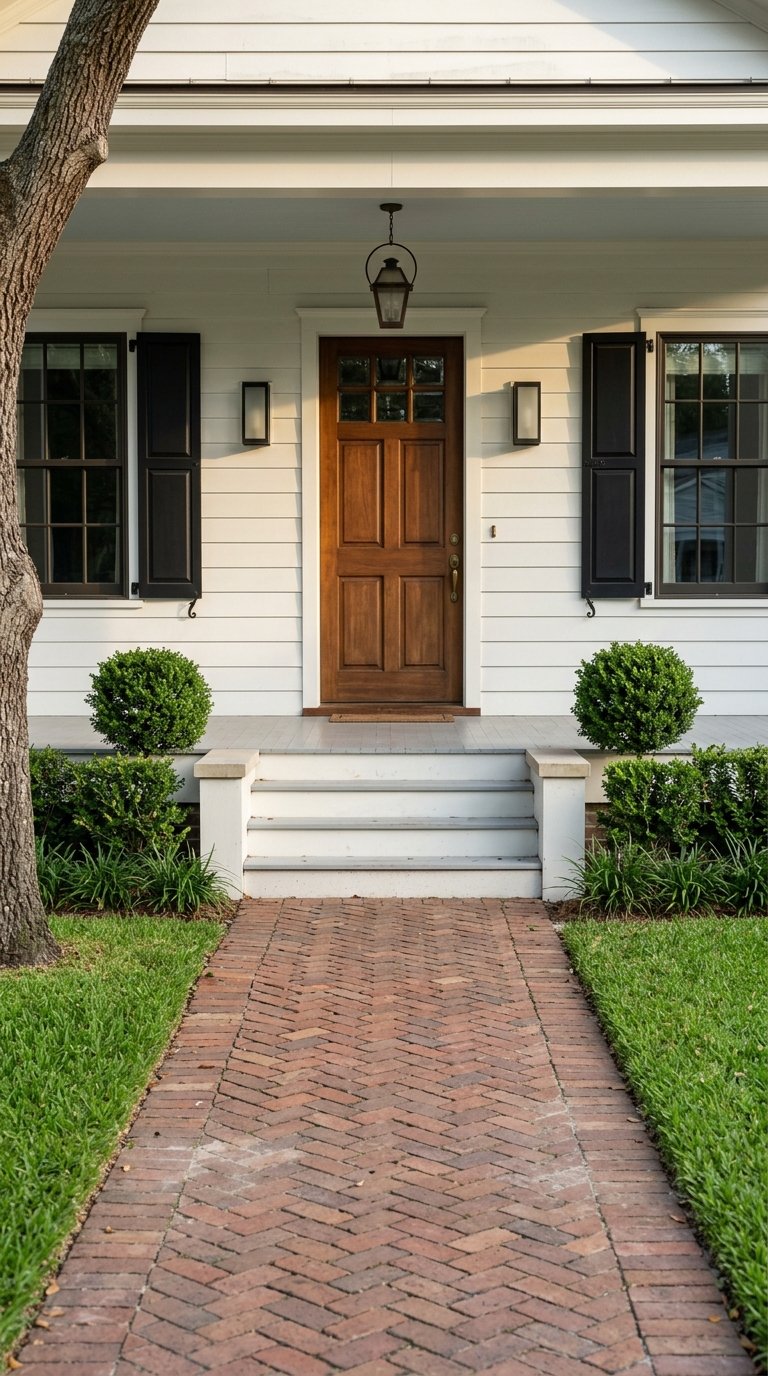
These older homes often include details that shape the way they live day to day. The city describes features such as low-pitched roofs, stucco exteriors, bracketed eaves, large multi-light windows, and prominent front porches on many bungalows. In nearby historic subdivisions such as Avondale, you also see Tudor Revival, American Four Square, and Craftsman influences, along with carriage houses and historic curbs.
Historic Homes Often Feel More Connected to the Street
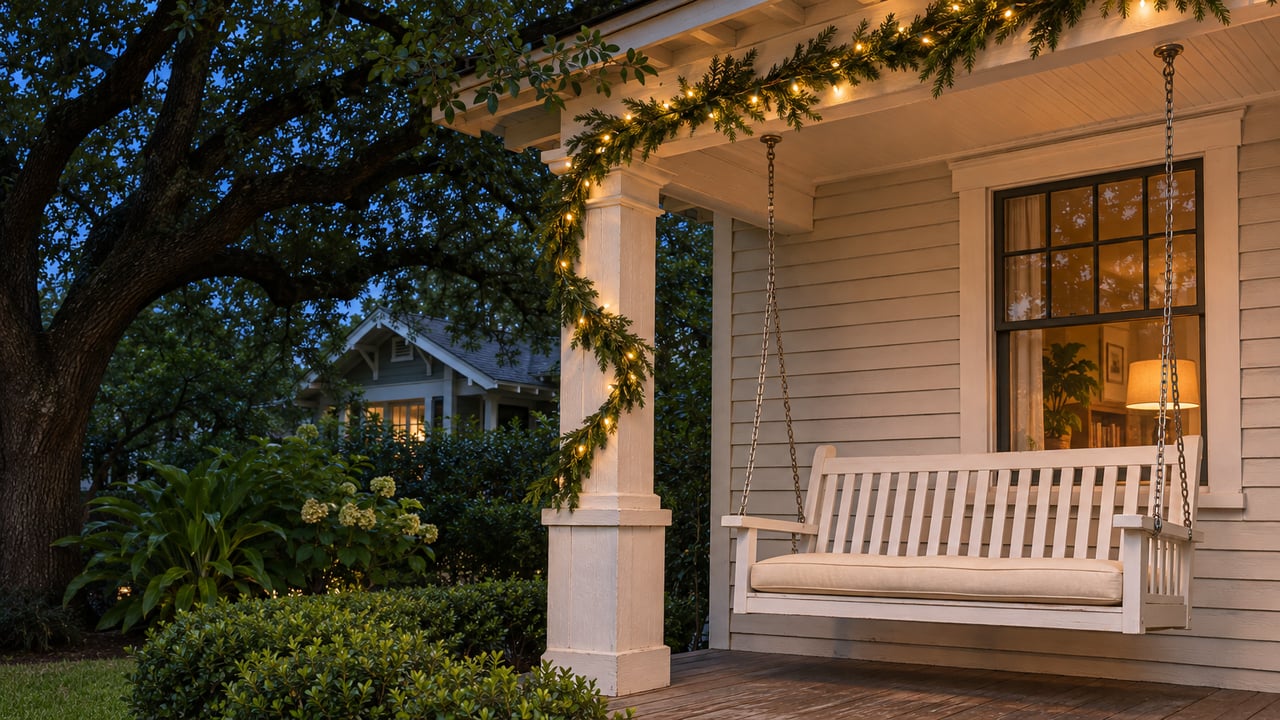
Because of their form, historic cottages and bungalows often create a stronger relationship between the house and the sidewalk. Front porches are a big part of that experience. Rather than placing most of life behind a garage-facing front elevation, these homes often meet the street more directly.
That can create a different rhythm to daily living. You may find yourself using the porch, noticing the block more, and experiencing a stronger sense of the original scale of the neighborhood.
Historic Layouts Tend to Be Smaller in Scale
Older homes in Montrose usually live with tighter room dimensions than many newer builds. That does not make them less functional, but it often changes how space feels and flows.
You may see more defined rooms instead of large open expanses. Original windows, trim, and architectural details can add warmth and texture, but they also remind you that these homes were designed in a different era with different expectations for space planning.
Historic Ownership Usually Involves More Exterior Oversight
If a home is in a designated historic district, exterior changes may require city review. According to the City of Houston, exterior alterations, additions, new construction, relocation, and demolition require a Certificate of Appropriateness.
Ordinary maintenance and repair generally do not require that review, but replacing historic material is not considered ordinary maintenance. The city also identifies porches, windows, roof pitch, siding, and building placement as character-defining features. In some cases, deed restrictions or civic-association approvals may apply as well.
For you, that means upkeep is not just about the age of the house. It is also about whether the property falls within a preservation framework that shapes what can be changed on the exterior.
Modern Homes in Montrose
The modern side of Montrose reflects decades of reinvestment and infill. City planning materials note that as original deed restrictions began to lapse in the 1960s, many pre-World War II single-family homes gave way to apartments and commercial uses. By the 1990s, Houston’s urban real estate boom brought large numbers of townhomes that replaced bungalows and filled vacant lots.
The result is a contemporary living pattern layered into an older neighborhood fabric. Today, newer homes in Montrose often sit alongside historic homes, apartments, and condominiums rather than in isolated pockets of only one product type.
Newer Homes Often Live More Vertically
A newer Montrose home often uses space differently than a historic cottage. In practical terms, many townhomes and infill properties live more compactly and vertically.
Instead of spreading across a broad footprint, they often stack living areas across multiple levels. That can create a more contemporary layout, but it may also mean less yard space and closer proximity to neighboring homes.
Contemporary Layouts Can Feel More Flexible
For some buyers, one of the biggest draws of modern infill is the layout. Newer homes often appeal to people who want a more current urban format and fewer preservation-specific steps when planning exterior work.
That does not mean there are no rules. Houston does not have zoning, but development is still governed by ordinance codes covering subdivision, parking, tree and shrub requirements, setbacks, and access. Even so, the ownership experience for a newer home outside a historic district is usually different from owning a house with preservation review on exterior changes.
Density Is Part of the Tradeoff
Modern Montrose living often means accepting density as part of the appeal. You may get a more contemporary home and a low-maintenance lot, but you may trade away some separation, yard area, and the slower visual rhythm of a historic block.
For many buyers, that trade is worth it. For others, the charm and proportions of an older home matter more. The right fit depends on how you want your home to function every day.
Historic vs. Modern Daily Life
If you are deciding between historic and modern in Montrose, it helps to think beyond style. The better question is how you want to live.
Here is a simple way to frame the difference:
| Living Pattern | Historic Homes | Modern Homes |
|---|---|---|
| Street presence | Often porch-oriented and closer to original neighborhood scale | Often more compact and vertical |
| Layout feel | More defined rooms and smaller-scale spaces | More contemporary flow in many cases |
| Exterior changes | May require city review in historic districts | Often follows standard Houston permitting and development rules if outside a district |
| Lot relationship | May include more visible yard and separation on some blocks | Often less yard space and closer adjacency |
| Ownership focus | Preserving original materials and details can matter more | Flexibility and lower preservation oversight may matter more |
This is where local guidance matters. In Montrose, two homes with the same price point can offer very different ownership experiences depending on the block, district status, and housing type.
The Block Matters as Much as the House
One of the most important truths about Montrose is that lifestyle is shaped by the area around the home as much as the home itself. The City of Houston describes the neighborhood as a mix of older residential areas, cultural institutions, entertainment, eateries, parks, schools, and artistic businesses.
That means your experience is never just about square footage or architectural style. It is also about whether you want to be on a historic residential street, near a corridor with denser development, or in a section where attached housing and multifamily buildings are more common.
A house can be beautiful on paper and still feel wrong for your daily routine. In Montrose, block context, street pattern, and surrounding building types often matter just as much as the finishes inside.
How to Choose the Right Fit
If you are comparing homes in Montrose, try narrowing your decision around lifestyle priorities first.
Choose a Historic Home If You Value:
- Original architectural details
- Front porch living and traditional street presence
- Smaller-scale rooms with character
- The experience of owning a home tied to Montrose’s early development
- Working within preservation rules when needed
Choose a Modern Home If You Value:
- Contemporary layouts
- More vertical urban living
- Less emphasis on preserving original exterior materials
- A compact lot and lower yard demands
- A home that reflects more recent redevelopment patterns in Montrose
Neither path is better across the board. Montrose works because it offers both.
Why Local Advice Matters in Montrose
In a neighborhood this layered, broad assumptions can lead you off course. A historic district home may call for closer review of exterior plans, while a newer infill property may raise different questions about layout, access, parking, or lot configuration.
That is why neighborhood-specific guidance matters. When you understand not just the house, but also the district, block, and development context around it, you can make a much more confident decision.
Whether you are buying your first Montrose home, moving within the neighborhood, or preparing to sell, the key is matching the property to the way you actually want to live. If you want thoughtful, neighborhood-savvy guidance on Montrose homes and how they compare from block to block, connect with Cathy Cagle & Sarah Callaway Sulma.
FAQs
What makes Montrose homes different from one another?
- Montrose includes detached homes, attached homes, small multi-unit buildings, and large apartment buildings, with construction dating from pre-1939 homes to properties built in 2020 or later.
What is daily life like in a historic Montrose home?
- Historic Montrose homes often feature smaller-scale rooms, prominent porches, and more visible original architectural details, which can create a different day-to-day feel than newer homes.
What should buyers know about historic district rules in Montrose?
- In designated historic districts, exterior alterations, additions, new construction, relocation, and demolition require a Certificate of Appropriateness, while ordinary maintenance and repair generally do not.
How do modern Montrose homes usually live differently?
- Newer Montrose homes often live more compactly and vertically, with contemporary layouts, less yard space, and closer adjacency to neighboring homes.
Why does the block matter when buying in Montrose?
- Montrose is highly block-specific, so the surrounding street pattern, housing mix, and district context can shape your daily lifestyle as much as the house itself.
Are Montrose and Neartown the same area?
- The local civic association and the City of Houston generally use Neartown and Montrose interchangeably for this west central Houston area.