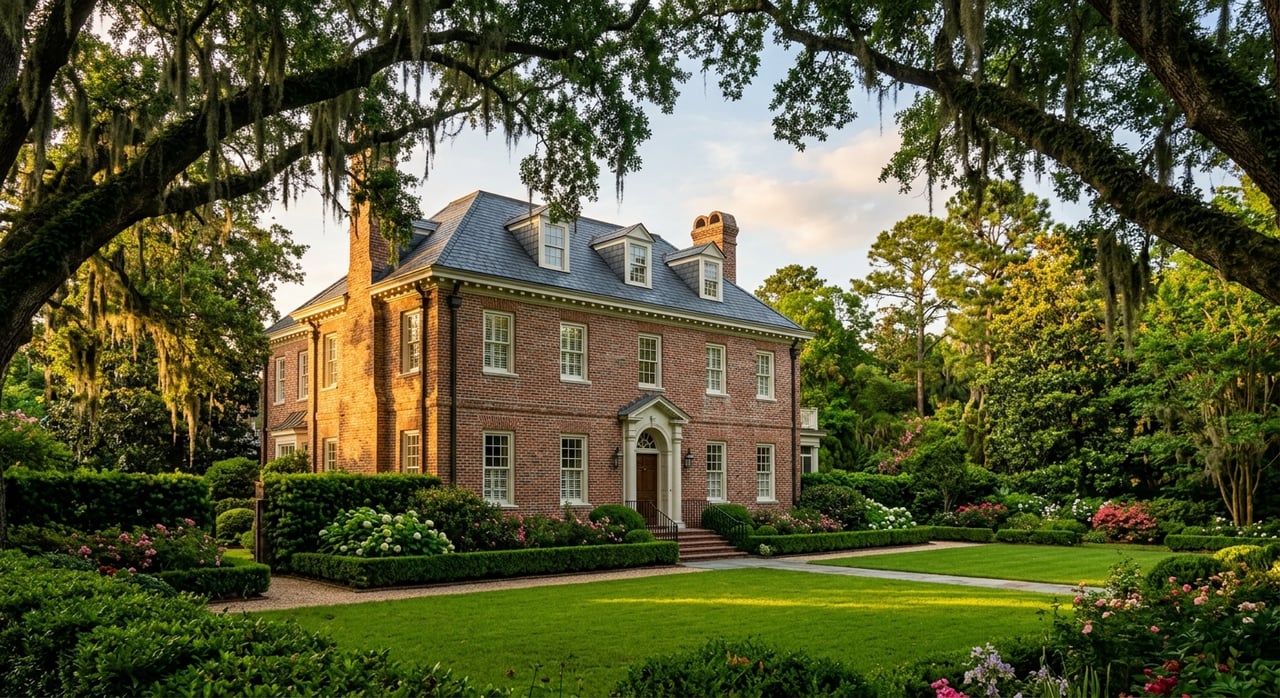
If you want a Houston neighborhood that feels settled and residential without giving up easy access to shopping, dining, and culture, Afton Oaks and River Oaks deserve a close look. You may be weighing privacy against convenience, or trying to find an area that supports both daily routines and long-term lifestyle goals. This guide will help you understand what it’s like to live near it all in Afton Oaks and River Oaks, and why these neighborhoods continue to stand out in central Houston. Let’s dive in.
A central Houston lifestyle
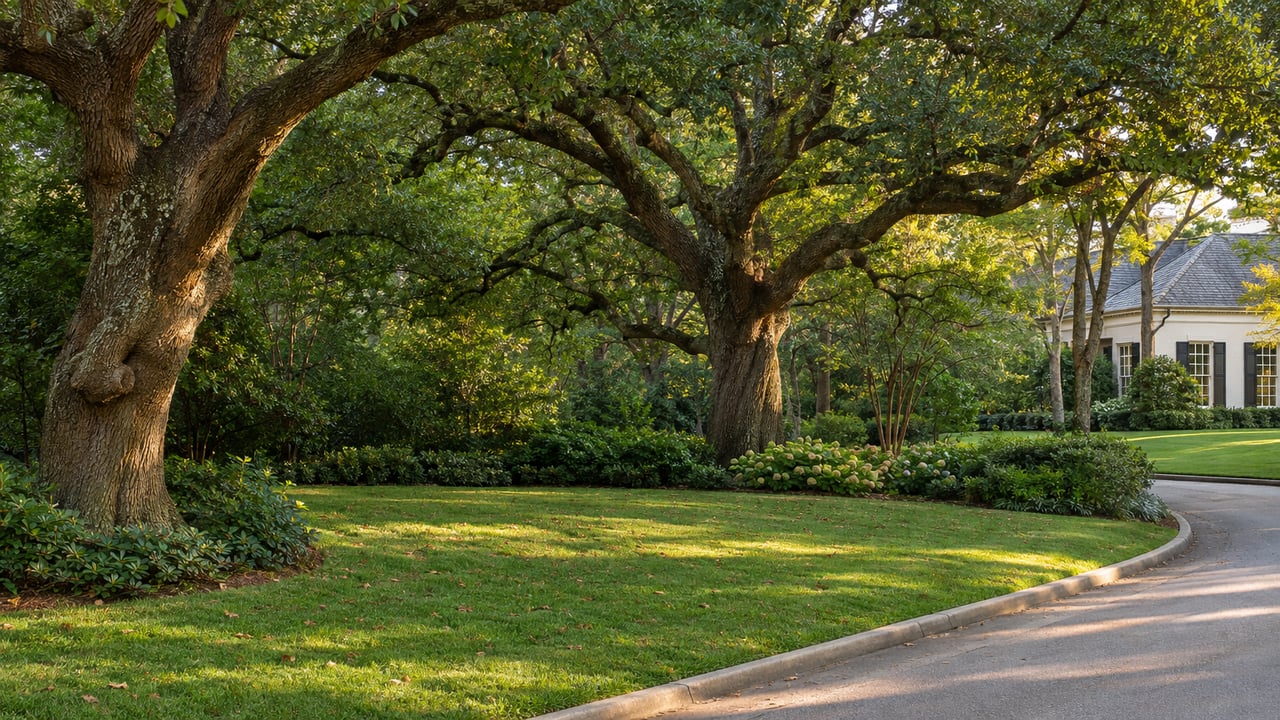
Afton Oaks and River Oaks sit within one of Houston’s most established inner-loop areas. The City of Houston describes Super Neighborhood 23 as a network of historic neighborhoods and major economic centers that includes River Oaks, Afton Oaks, Greenway Plaza, and Upper Kirby, with quiet tree-lined pockets throughout the area.
That combination is a big part of the appeal. You are not choosing between a residential setting and city access. In this part of Houston, you can have both.
Afton Oaks at a glance
Afton Oaks dates to 1951 and includes about 525 homes. It sits between the Galleria and Highland Village, which gives it a close-in location while still maintaining a distinct residential identity.
Its history also helps explain the feel of the neighborhood today. Construction began in 1953, and the community is made up of nine subdivisions with deed restrictions that prohibit commercial activity and limit each lot to one single-family residence.
Why Afton Oaks feels protected
For many buyers, the appeal of Afton Oaks is not just proximity. It is the fact that the neighborhood was intentionally structured as a residential district.
That matters in everyday life. Even though you are close to major retail and dining areas, the neighborhood itself is designed to preserve a quieter single-family setting.
River Oaks at a glance
River Oaks is the older and more established counterpart. According to River Oaks Property Owners and the City of Houston, the neighborhood began around River Oaks Country Club Estates in 1924 and is recognized as Houston’s first master-planned community.
The neighborhood spans about 1,100 acres and was built around architectural controls, deed restrictions, and a private maintenance fund. Those elements helped shape the area’s long-standing identity and its carefully maintained residential character.
A neighborhood with deep roots
River Oaks is known for more than its location. It has a long history of planning, preservation, and tradition, including the annual Azalea Trail in the spring.
For you as a buyer, that history can translate into a stronger sense of place. The neighborhood feels established because it is established, with decades of continuity behind it.
What daily life feels like
Living in Afton Oaks or River Oaks often means your routine stays close to home. The City of Houston notes that the area is immediately adjacent to the Galleria and includes major retail centers such as Highland Village and River Oaks Shopping Center.
That makes a practical difference. Running errands, meeting friends for dinner, or stopping by a favorite store does not have to turn into a cross-town drive.
Shopping and dining close by
Several nearby destinations shape the area’s day-to-day convenience:
- River Oaks Shopping Center, established in 1937, describes itself as Houston’s original shopping center and the city’s first retail development of its kind.
- Houston Highland Village offers shopping, dining, and entertainment in an open-air setting on Westheimer.
- River Oaks District adds another layer, with more than 60 brands and a mix of fashion, dining, art, and culture.
Together, these destinations support a lifestyle where convenience feels built in. You can keep your schedule flexible while still staying close to home.
Parks and green space nearby
Even in such a central part of Houston, green space remains part of the experience. Houston Parks Board says Pumpkin Park, formerly River Oaks Park, was established in 1938 on five acres that were set aside for public use during River Oaks’ development.
That kind of nearby park access adds balance. It gives the area a lived-in neighborhood feel rather than one defined only by retail corridors or major streets.
Access to Houston culture
One of the biggest lifestyle advantages of this area is how connected it is to Houston’s cultural core. Visit Houston describes the Houston Museum District as one of the country’s largest concentrations of cultural institutions, with 19 museums, arts, and cultural organizations in a nine-square-mile area.
The district includes major destinations such as Hermann Park, the Houston Zoo, the Museum of Fine Arts, Houston, the Houston Museum of Natural Science, and the Children’s Museum of Houston. Its official description also notes that the area is walkable and accessible by METRORail.
Why that access matters
For you, nearby cultural access can shape more than weekend plans. It can influence how connected you feel to the city.
Whether you enjoy museums, public parks, or city events, living in Afton Oaks or River Oaks places you within reach of some of Houston’s most recognized destinations.
Residential character and housing mix
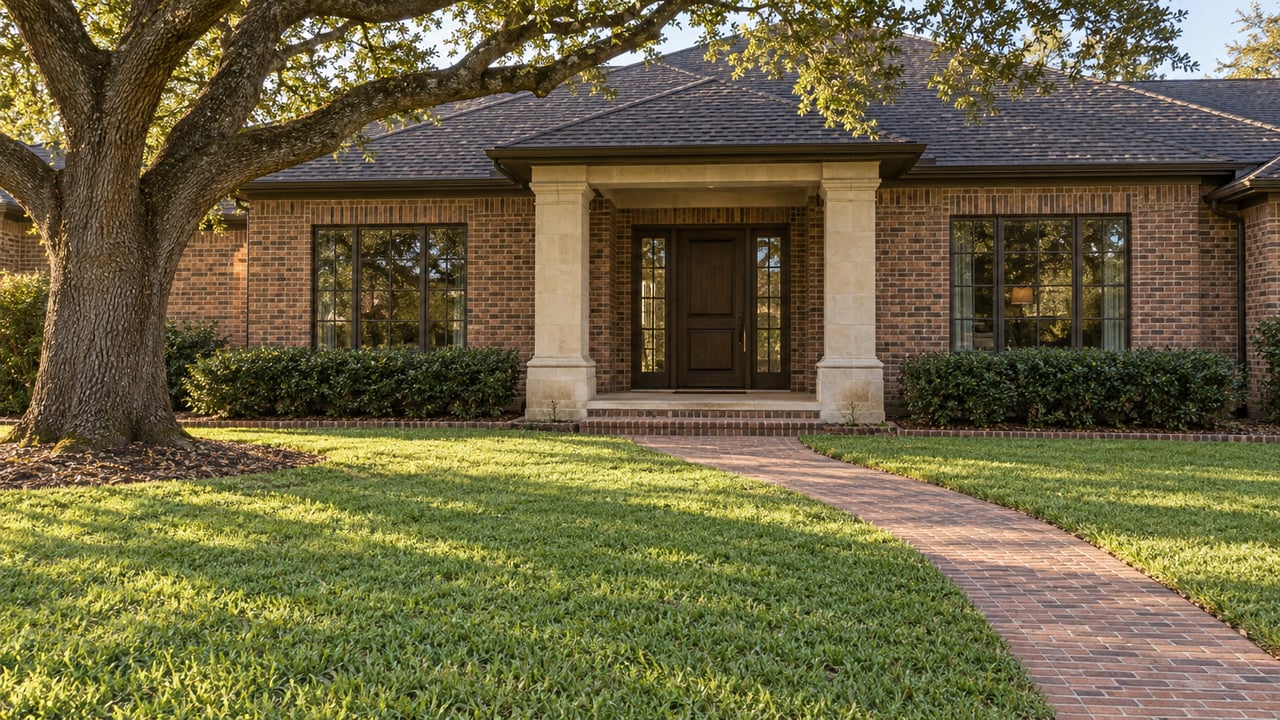
Afton Oaks and River Oaks are best understood as residential neighborhoods within a broader central Houston setting. The City of Houston’s housing data for the surrounding super neighborhood shows both detached homes and a substantial multifamily presence, including 3,287 detached units and 5,725 units in buildings of 10 or more units.
That broader mix helps explain the area’s range. You will find established single-family streets in and around Afton Oaks and River Oaks, while the surrounding area supports a wider set of housing options and urban conveniences.
Privacy and access in one place
This is one of the clearest themes in the area. The neighborhoods themselves are shaped by deed restrictions, historic development patterns, and a strong residential identity, while nearby districts supply everyday convenience.
If you are relocating to Houston, that can make the area feel especially practical. You are choosing a central lifestyle, not just a street address.
A note on nearby schools
For buyers who want to understand the broader area, River Oaks Elementary is one notable nearby public school. HISD states that the school was founded in 1929, became a Vanguard gifted and talented magnet in 1986, has offered the IB Primary Years Programme since 2005, and is currently TEA-rated A with five distinctions.
School attendance and program details can change, so it is always wise to verify current eligibility and enrollment information directly with the appropriate district or school resources during your home search.
Who may be drawn to Afton Oaks and River Oaks
These neighborhoods often appeal to buyers who want an established inner-loop setting with lasting residential character. You may also be drawn to the area if you value proximity to retail, dining, parks, and cultural destinations without wanting to live in the middle of constant activity.
In simple terms, this area offers a blend that can be hard to find. It gives you a neighborhood feel with city access woven into daily life.
Why local guidance matters here
Afton Oaks and River Oaks each have their own history, development patterns, and neighborhood frameworks. Understanding the difference between broad area appeal and the feel of a specific street or section can make a meaningful difference in your search.
That is where experienced, neighborhood-savvy representation matters. When you are evaluating central Houston options, clear local insight can help you narrow in on the right fit with more confidence and less guesswork.
If you are considering a move in Afton Oaks, River Oaks, or another inner-loop Houston neighborhood, Cathy Cagle & Sarah Callaway Sulma offer boutique, client-focused guidance rooted in deep local knowledge and a hands-on approach.
FAQs
What is the difference between Afton Oaks and River Oaks in Houston?
- Afton Oaks dates to 1951, includes about 525 homes, and is made up of nine subdivisions with deed restrictions focused on single-family residential use, while River Oaks began in 1924, spans about 1,100 acres, and is recognized by the City of Houston as Houston’s first master-planned community.
What shopping is near Afton Oaks and River Oaks?
- The area is near Highland Village, River Oaks Shopping Center, River Oaks District, and the Galleria, giving residents access to shopping, dining, and entertainment close to home.
What parks are near River Oaks and Afton Oaks?
- Pumpkin Park, formerly River Oaks Park, is a nearby public park established in 1938 on five acres that were set aside during River Oaks’ development.
What cultural attractions are near Afton Oaks and River Oaks?
- The Houston Museum District is nearby and includes 19 museums, arts, and cultural organizations, along with major destinations such as Hermann Park, the Houston Zoo, and the Museum of Fine Arts, Houston.
What is the housing feel around Afton Oaks and River Oaks?
- The neighborhoods are known for established residential character, while the broader surrounding area includes both detached homes and a significant multifamily housing presence, supporting a central Houston lifestyle with a range of nearby conveniences.