Thinking about listing your Heights home and hoping for a bidding war? You are not alone. Sellers across Houston Heights aim to spark multiple offers, but the path starts with precise pricing and smart terms, not guesswork. In this guide, you will learn how the Heights market behaves, how to build the right comps, and which pricing and contract tactics help you attract stronger offers while managing risk. Let’s dive in.
Why Heights pricing behaves differently
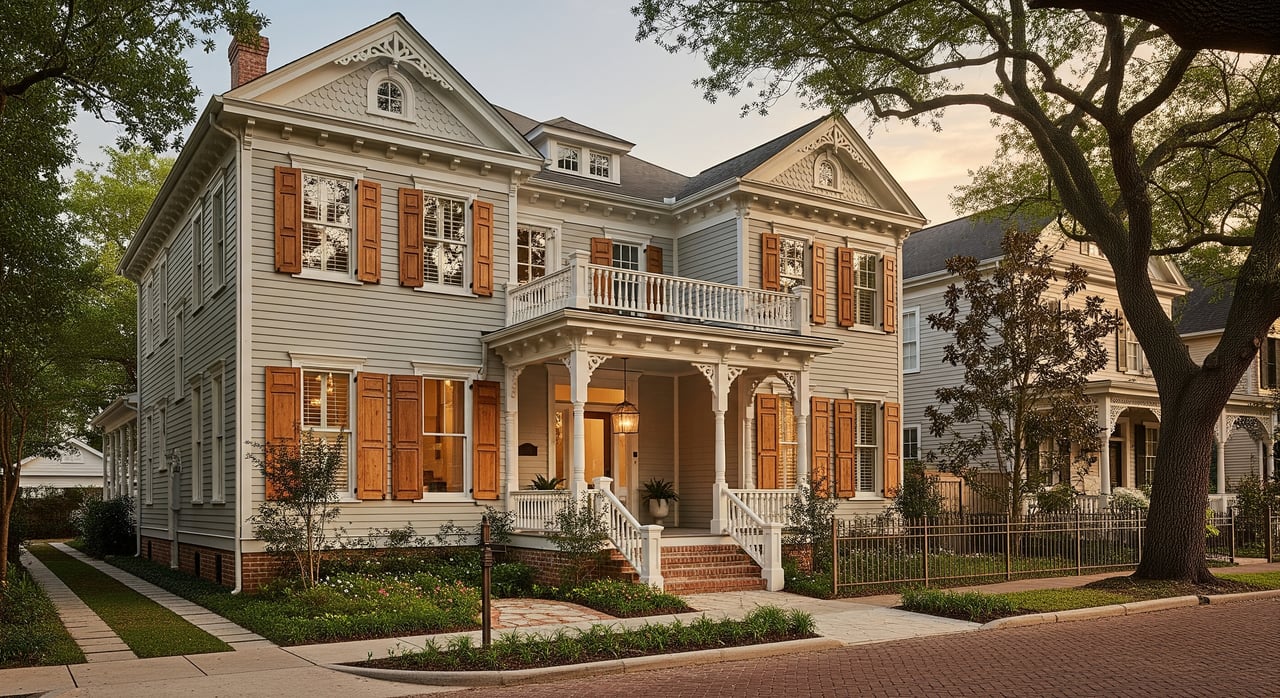
The Heights blends historic bungalows, renovated cottages, recent infill, townhomes, and a few low-rise condos. That mix creates wide swings in price per square foot and buyer comparisons. Proximity to downtown, walkable retail and dining, and neighborhood character keep demand steady, especially when rates ease and buyers re-enter quickly.
Local rules and site factors matter. Parts of the Heights sit inside historic districts with design review that can affect renovation timelines and costs. If your property is in a designated district, review the City of Houston’s Historic Preservation guidance to understand how it may influence buyer expectations and comps. Buyers also pay close attention to flood risk, elevation, and insurance. Many will review the FEMA Flood Map Service Center and the Harris County Flood Control District to assess risk and cost. Properties with higher perceived flood exposure may need pricing that reflects that reality.
Texas is also a non-disclosure state, so public sale price data is limited. Most accurate data comes through MLS, which means you and your agent should rely on current listings, pendings, and recent closings rather than public portals. The Houston Association of REALTORS publishes neighborhood-level context and monthly market updates that can help frame expectations.
Build the right comps set
Pricing in the Heights starts with a comp set that respects the neighborhood’s mix of product types.
- Land vs. structure. Lot size, frontage, corner exposure, and buildability can matter as much as finishes. New construction often reflects a land-plus-new-build premium and should be adjusted carefully when compared to older homes.
- Renovation and systems. Updated mechanicals, roof, windows, and permitted work carry weight. A smaller renovated bungalow can compete with larger homes that have deferred maintenance.
- Functionality. Bedroom count with usable closets, egress, modern kitchens, parking, and a usable backyard affect buyer value more than cosmetic upgrades alone.
- Historic vs. new. Adjust for style, usable square footage, ceiling heights, and lot size when comparing restored cottages to contemporary townhomes.
- Fresh data first. Favor recent pendings and closings over older cycle highs. Review sale-to-list ratios with an eye on concessions and seller credits to understand true net.
A practical checklist helps you stay objective:
- Recent closed and pending sales within 3 months, if available
- Active competition your buyers will see this week
- Price per square foot by vintage and condition
- Lot size, frontage, and expansion potential using Harris County Appraisal District records
- Days on market for similar homes
- Noted concessions or credits in MLS to adjust your expected net
- Flood zone, elevation, and insurance needs using FEMA and county resources
- Any HOAs or deed restrictions that affect use
Choose a pricing strategy
There is no one-size-fits-all price. Your best choice depends on property type, current inventory, and your timeline.
Underprice to spark urgency
- Goal: Create fast momentum and invite multiple offers that push price to or above market.
- Best when: Inventory is tight, presentation is excellent, and your home appeals to a wide buyer pool.
- Risks: Perception of an issue if the price feels too low, or a smaller buyer pool that does not bid up as expected. If the final contract runs well above appraised value, you could face appraisal gap risk.
Price at market to capture demand
- Goal: Present a credible, data-backed price that attracts serious buyers and still invites competition.
- Best when: Comps are closely aligned and property condition is typical for the neighborhood.
- Risks: If you lean too high, showings may lag and momentum can stall.
Price slightly strong to anchor
- Goal: Preserve room to negotiate in a stable market.
- Best when: You have time and strong confidence in the upper range.
- Risks: Reduced likelihood of multiple offers unless demand is very strong.
Tip: Use price banding to land in the right search brackets buyers use online. Choose a number that catches the widest pool without appearing artificially low.
Activate demand with smart terms
Your pricing works best when paired with clear, competitive offer instructions.
- Offer deadline. A well-communicated deadline 48 to 72 hours after first showings can concentrate offers. Follow MLS rules and present every offer fairly. The Texas Real Estate Commission provides rules and guidance on offer handling that your agent should observe.
- Preferred terms. You can signal that offers with shorter closings or fewer contingencies are preferred. Stick to neutral, property-based criteria and avoid any discriminatory phrasing.
- Escalation clauses. Let buyers know you will consider escalation clauses. They can lift final pricing but require clean documentation to avoid disputes.
- Pre-list inspection. Providing a recent inspection report and permits can reduce buyer friction and build confidence.
- Earnest money and appraisal gap. Higher earnest money and buyer commitments to cover an appraisal shortfall can distinguish offers.
- Closing timing and rent-back. Flexibility on timing, or a brief seller rent-back, can matter as much as price for some buyers.
Manage appraisal and other risks
In fast-rising micro-markets, appraisals may trail the contract price. Plan for that before you accept an offer. You can prioritize buyers who show proof of funds for a potential gap, request appraisal-gap language, or lean toward cash offers when appropriate. Be sure your disclosures are complete and clear. Known material facts, including flood history and structural issues, must be disclosed to avoid legal exposure.
For site-specific concerns, point buyers to objective resources. Many will confirm floodplain status through the FEMA Flood Map Service Center and review drainage and flood control information from the Harris County Flood Control District. If your property is in a historic district, link your listing materials to the City of Houston’s Historic Preservation resources so buyers understand design review and timelines.
A step-by-step pricing plan
Follow a structured workflow to set your list price with confidence.
- Gather 10 to 20 comps with a priority on recent pendings and closings. Use the Houston Association of REALTORS market updates for context on current trends.
- Separate land and structure value when appropriate. For lots with new-build potential, consider how developer buyers will view the site.
- Inspect and document. Consider a pre-list inspection for major systems. Assemble permits and records for past renovations.
- Choose your price band. Aim for the search bracket that maximizes exposure without sending a confusing signal.
- Select your strategy. Decide if you will underprice to create urgency, price at market, or price slightly strong with a longer runway.
- Launch with intention. Use premium presentation, targeted broker outreach, and an offer deadline if you plan to solicit multiple offers.
- Evaluate offers on net and certainty. Compare net proceeds, timing, contingencies, buyer qualifications, and any escalation or appraisal terms.
- Predefine counter strategies. Agree on minimum net, repair approach, and closing flexibility before offers arrive.
What to track after launch
- Showings in the first 7 to 14 days
- Written offers and timing in the first 48 to 72 hours
- Days on market compared to neighborhood norms
- Inquiry-to-show conversion from online interest
- Final sale price to list price and your net proceeds
If showings are light, act quickly. Improve presentation, adjust pricing, or refine your marketing instead of waiting for momentum to appear. When multiple offers create appraisal risk, weigh the net, certainty, and timing of each offer, not just the top-line price.
Final thoughts
Winning multiple offers in the Heights is about precision and process. Price with fresh comps, align your strategy with the property and the market, and set clear terms that reward strong, clean offers. Pair that with transparent disclosures and organized execution, and you put yourself in position to capture top-of-market results without unnecessary risk.
If you want a data-driven pricing plan tailored to your Heights home, we are here to help. Reach out to Cathy Cagle & Sarah Callaway Sulma for a private consultation and Get Your Instant Home Valuation.
FAQs
What makes pricing in Houston Heights different?
- The Heights combines historic bungalows, renovated homes, and new infill, so lot value, renovation quality, functionality, flood considerations, and historic district rules all influence comps and pricing.
Does underpricing guarantee a higher final price in the Heights?
- No, underpricing can boost interest and competition, but if the buyer pool is thin it can simply produce a lower sale, so use it selectively with strong marketing and timing.
How should I plan for appraisal gaps when multiple offers push price?
- Ask for proof of funds and consider appraisal-gap language or cash-up-to amounts, and weigh net proceeds and certainty rather than only the highest offer.
Should I set an offer deadline when listing in the Heights?
- A clear 48 to 72 hour deadline can focus activity, but follow MLS and TREC rules, present all offers, and communicate your policy upfront to avoid confusion.
Which resources help buyers assess flood or historic constraints?
- Buyers often check FEMA flood maps, Harris County Flood Control information, and City of Houston Historic Preservation guidelines to understand risk, insurance, and renovation timelines.