If you are preparing to sell in Tanglewood, it helps to know that buyers often make up their minds in layers, and the first layer forms fast. In a neighborhood known for mature trees, large lots, and a polished inner-loop setting, buyers are not only assessing the house itself. They are also noticing how well the home fits the expectations of the area. This guide walks you through what Tanglewood buyers tend to notice during showings so you can focus your preparation where it matters most. Let’s dive in.
Why first impressions matter in Tanglewood
Tanglewood has a long-established reputation within Houston. A City of Houston historic document notes that the neighborhood opened in 1949 and was later described as one of the five best planned subdivisions in the United States.
That history shapes buyer expectations today. In a setting known for mature landscaping, generous lots, and close-in convenience, buyers often expect a home to feel well cared for from the moment they arrive.
Buyers come in with expectations
Most buyers do not walk into a showing with a blank slate. According to the National Association of Realtors 2025 Profile of Home Staging, 79% of respondents said buyers already had ideas about where they wanted to live, and 76% said buyers already had an idea of their ideal home.
That matters in Tanglewood because your showing is often confirming, or challenging, what a buyer already believes after seeing the listing online. The goal is simple: the in-person experience should feel calm, accurate, and easy to say yes to.
Curb appeal sets the tone
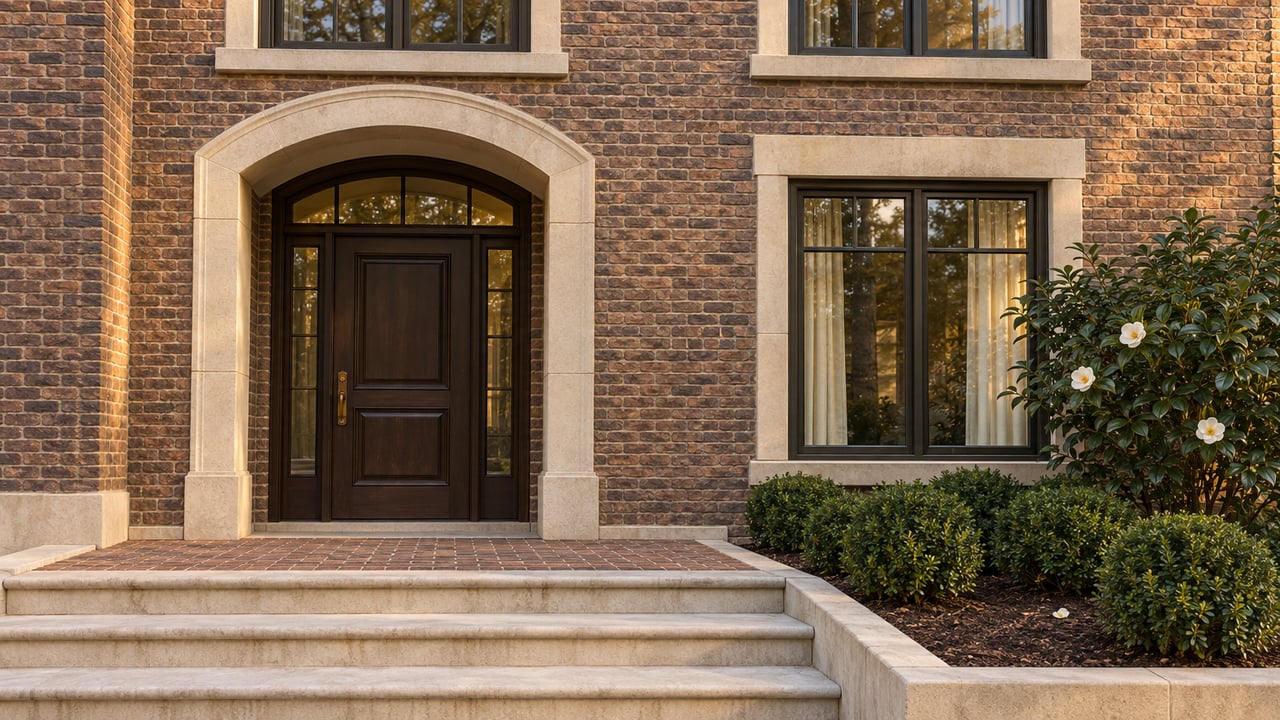
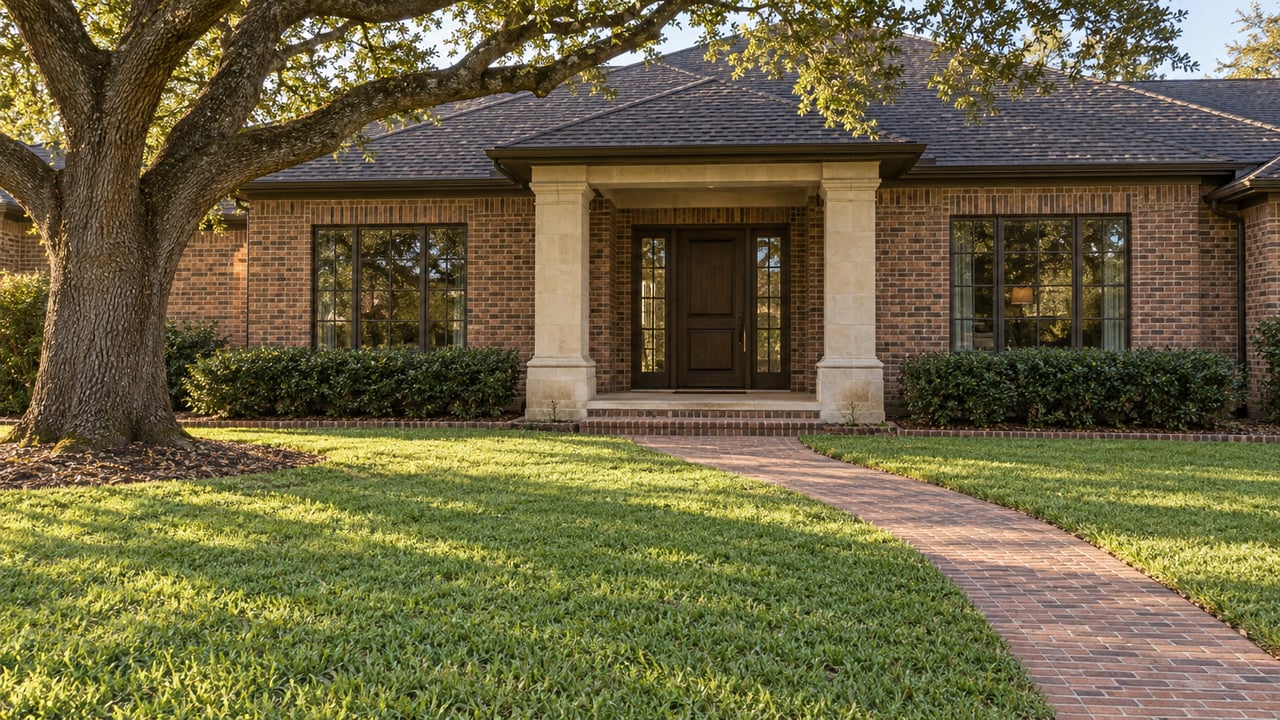
Before buyers notice finishes or floor plans, they notice how the home greets them. The front approach, landscaping, driveway, walkway, and entry all send a message about maintenance and care.
According to NAR’s Remodeling Impact Report on outdoor features, 97% of members believe curb appeal is important in attracting a buyer, and 98% believe it is important to a potential buyer. In practical terms, buyers are often asking themselves whether the home feels cared for before they even step inside.
What buyers notice outside
- Condition of the lawn and planting beds
- Trimmed hedges and tidy tree limbs
- Clean walkway and front porch
- Fresh-looking front door and hardware
- Visible maintenance issues like peeling paint or worn lighting
In Tanglewood, where the streetscape is part of the appeal, these details carry extra weight. A beautiful lot can be a major asset, but only if it feels intentional and maintained.
Light and layout stand out inside
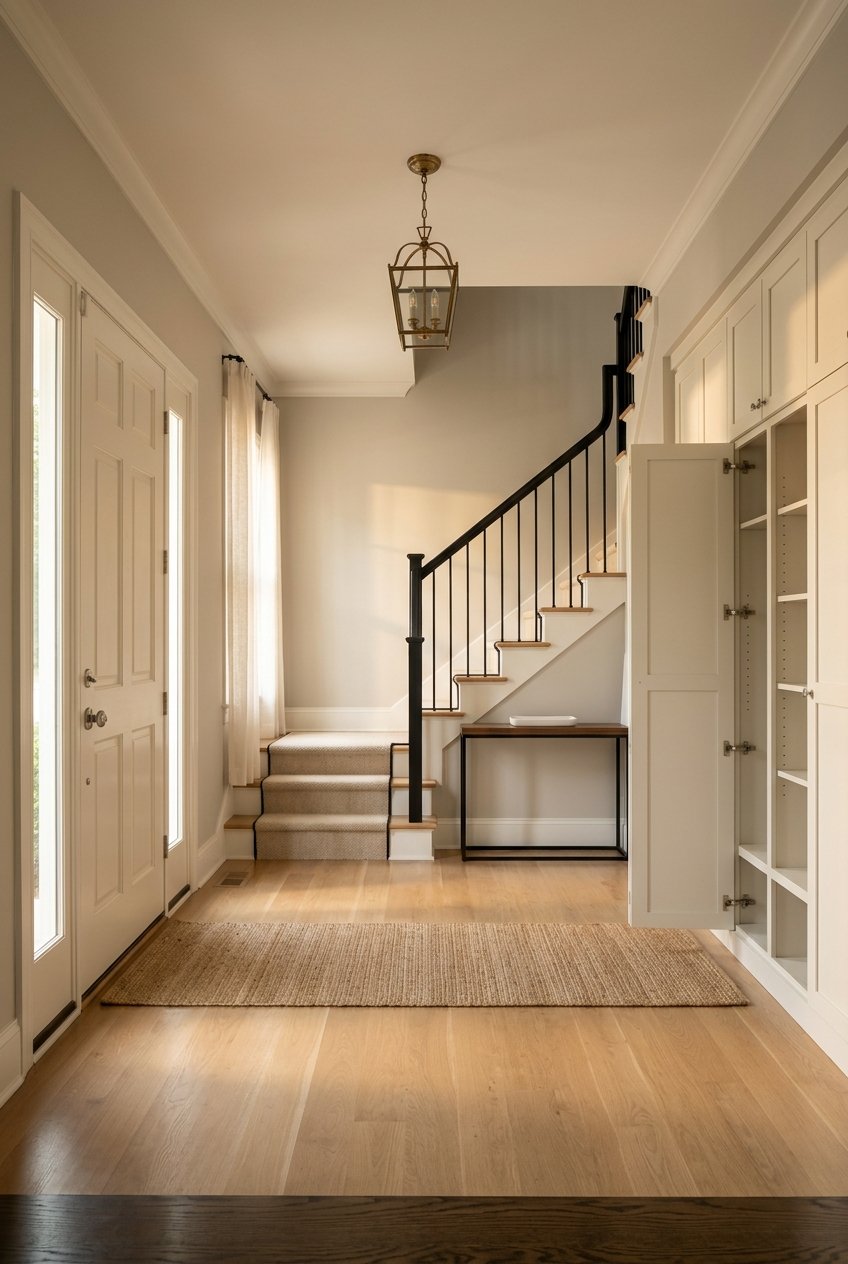
Once buyers enter the home, they quickly start reading the space. They notice whether rooms feel bright, whether the floor plan flows naturally, and whether the home feels as good in person as it did in the listing.
Zillow advises sellers to open blinds, turn on lights, and present the home when it is brightest because light changes how buyers experience space. Zillow also reports that 86% of buyers are more likely to view a home if the listing includes a floor plan they like, and 80% say seeing a home in person is the best way to understand layout.
What buyers are checking in the main living areas
- Does the home feel bright and open?
- Do the rooms connect in a way that makes sense?
- Are sightlines clear, or does furniture make spaces feel smaller?
- Does the home match the way it was presented online?
This is one reason over-styling can backfire. Buyers do not need a perfect set. They need a home that feels believable, functional, and welcoming.
Cleanliness is impossible to hide
You can have a strong address, attractive architecture, and beautiful rooms, but buyers still notice dirt, clutter, and deferred maintenance right away. These issues create friction because they make buyers wonder what else may have been overlooked.
Zillow’s real estate photography and showing prep guidance recommends deep cleaning, decluttering counters and work areas, and depersonalizing the home. NAR’s staging report also says common seller recommendations include decluttering, whole-home cleaning, and improving curb appeal.
The areas buyers notice most
- Kitchen counters and appliance surfaces
- Bathrooms, especially grout, mirrors, and fixtures
- Floors and baseboards
- Closets and storage areas
- Garage and utility spaces
In a showing, cleanliness reads as care. A clean home feels easier to move into, and that can influence how buyers think about value.
Buyers pay attention to staging that feels natural
Staging works best when it helps buyers picture daily life without making the home feel artificial. The NAR staging report says buyers’ agents found that staging made it easier for buyers to visualize a property as a future home.
That does not mean every room needs elaborate styling. It means the most important spaces should feel clear, scaled correctly, and easy to understand.
Rooms that deserve the most attention
NAR identifies these as the most important rooms to stage:
- Living room
- Primary bedroom
- Kitchen
- Outdoor or yard space
For many Tanglewood homes, that approach makes sense. Buyers want to understand how the home lives day to day, and these spaces often carry the most emotional and practical weight.
Outdoor space matters more than sellers think
In Tanglewood, outdoor areas are part of the showing experience, not an afterthought. Mature trees, patios, yards, and shaded spaces all contribute to how buyers imagine using the property.
Zillow’s 2024 buyer data says 70% of buyers rated private outdoor space as very or extremely important, 65% said the same about ample storage, and 83% said the same about air conditioning. In Houston, buyers are often thinking about whether a yard or patio feels usable and whether the home seems comfortable in warmer weather.
What buyers notice outdoors
- Whether the patio or yard feels usable
- Shade and general comfort
- Clean pool decks or hardscape, if applicable
- Furniture placement and flow
- Storage options for everyday living
Even simple updates can help here. Swept hardscapes, trimmed landscaping, and thoughtfully arranged seating can make outdoor space feel like part of the home instead of leftover square footage.
Small repairs shape buyer confidence
During a showing, buyers notice little things that suggest whether the home has been maintained consistently. A loose handle, chipped paint, sticking door, or scuffed wall may seem minor on its own, but together they can make a home feel tired.
This matters because many buyers are trying to avoid hassle after closing. NAR’s 2025 data noted in the staging report shows that avoiding renovations or plumbing and electrical problems was a major reason many buyers chose new construction, which supports the broader preference for homes that feel low-friction and move-in ready.
The fixes worth making before showings
- Touch-up paint
- Tighten loose hardware
- Repair sticking doors or drawers
- Replace burned-out light bulbs
- Freshen worn caulk or grout where visible
- Organize closets and storage rooms
These updates are not flashy, but they help a home feel solid. In a neighborhood like Tanglewood, that sense of readiness can matter a great deal.
Online promise should match in-person reality
Today’s buyers often narrow their options before they ever schedule a tour. That makes consistency between the listing and the showing especially important.
NAR says photos, traditional staging, videos, and virtual tours remain important listing tools. Zillow also notes that listing photos are a home’s first impression and recommends honest, well-lit images that reflect the actual layout and feel of the home in person.
If the showing feels darker, tighter, or less maintained than the listing suggested, buyers notice. If it feels consistent, buyers are more likely to stay focused on the home’s strengths.
A smart prep plan for Tanglewood sellers
If you are deciding where to spend time before showings, focus on the areas buyers notice first and remember longest.
Prioritize this order
- Improve curb appeal and the front entry
- Deep clean and declutter the entire home
- Stage the main living areas, kitchen, and primary bedroom
- Refresh outdoor spaces so they feel usable
- Handle visible minor repairs
- Make sure the showing experience matches the listing presentation
This approach aligns with what buyers are already paying attention to. It also helps your home present as well maintained, easy to understand, and ready for its next owner.
The takeaway for Tanglewood showings
What buyers notice during showings is usually not one dramatic feature. It is the overall sense of alignment. In Tanglewood, buyers tend to respond to homes that feel cared for at the curb, bright and logical inside, clean and uncluttered throughout, and believable in the way they were marketed.
When those pieces come together, a showing feels easy. If you are thinking about how to position your home for today’s Tanglewood buyers, Cathy Cagle & Sarah Callaway Sulma offer boutique, hands-on guidance shaped by deep Houston neighborhood knowledge and a thoughtful listing process.
FAQs
What do buyers notice first during a Tanglewood home showing?
- Buyers often notice curb appeal first, including the front yard, walkway, entry, and visible signs of maintenance before they focus on interior details.
Why is curb appeal important for sellers in Tanglewood?
- Curb appeal matters because buyers often form an early opinion at arrival, and research from NAR shows it is widely viewed as important in attracting buyer interest.
What interior features matter most to Tanglewood buyers during showings?
- Buyers commonly pay attention to natural light, layout, cleanliness, storage, and whether the home feels consistent with the listing photos and floor plan.
How should sellers prepare outdoor spaces for a Tanglewood showing?
- Sellers should make patios, yards, and other exterior areas feel clean, usable, and intentional with trimmed landscaping, clear surfaces, and simple furniture placement.
Does staging help a home sell in Tanglewood?
- Staging can help because NAR reports that buyers’ agents find it easier for buyers to visualize a property as a future home when key spaces are staged.
What repairs should sellers handle before a Tanglewood showing?
- Sellers should focus on visible, low-friction fixes such as touch-up paint, loose hardware, sticky doors or drawers, burned-out bulbs, and worn caulk or grout.